Pricing
analytics.
Building alignment around a structural decision.
A new data type that needed a home. A genuine trade-off about where that home should be. A cross-functional team that needed to own the decision together.
Role
Lead Product Designer
Company
GfK
Scope
Workshop, research, and full design cycle
Year
2024
Outcomes
Background
The platform needed to introduce a new data metric to support a new subscription tier. This created a structural decision: integrate the new metric into an existing product page, or build a new page purpose-built for this use case.
The initial product management view leaned toward integration, with understandable concerns about cost and uncertain adoption for a brand new page.
The challenge
This wasn’t a standalone design brief. The decision would shape engineering scope, data requirements, customer-facing team onboarding, and the product roadmap. Getting it right required genuine cross-functional alignment, not a design recommendation handed over for approval or rejection.
When a framework for making a decision like this doesn’t exist yet, my instinct is to build one.
Creating a shared decision framework
Rather than advocating for a single answer, I built a structured comparison of both options with explicit tradeoffs on each side:
Option A / Option B
Integrate into the existing page
- Faster to ship
- Risk: one overloaded page, new metric buried, heavy information density
- Scalability risk: a purpose-built experience for the new subscription tier is hard to achieve on a shared page
Build a new dedicated page
- More engineering investment upfront
- Purpose-built experience aligned to the specific subscription tier's needs
- Scalable and extensible as that user base grows
When a cross-functional team can see documented tradeoffs for every path, including the risks of the preferred option named openly, people stop defending positions and start evaluating the problem together. The original concern about adoption became a question the team could answer with evidence, not a point to argue.
The Product Leadership aligned on the plan I proposed: build a new dedicated page.
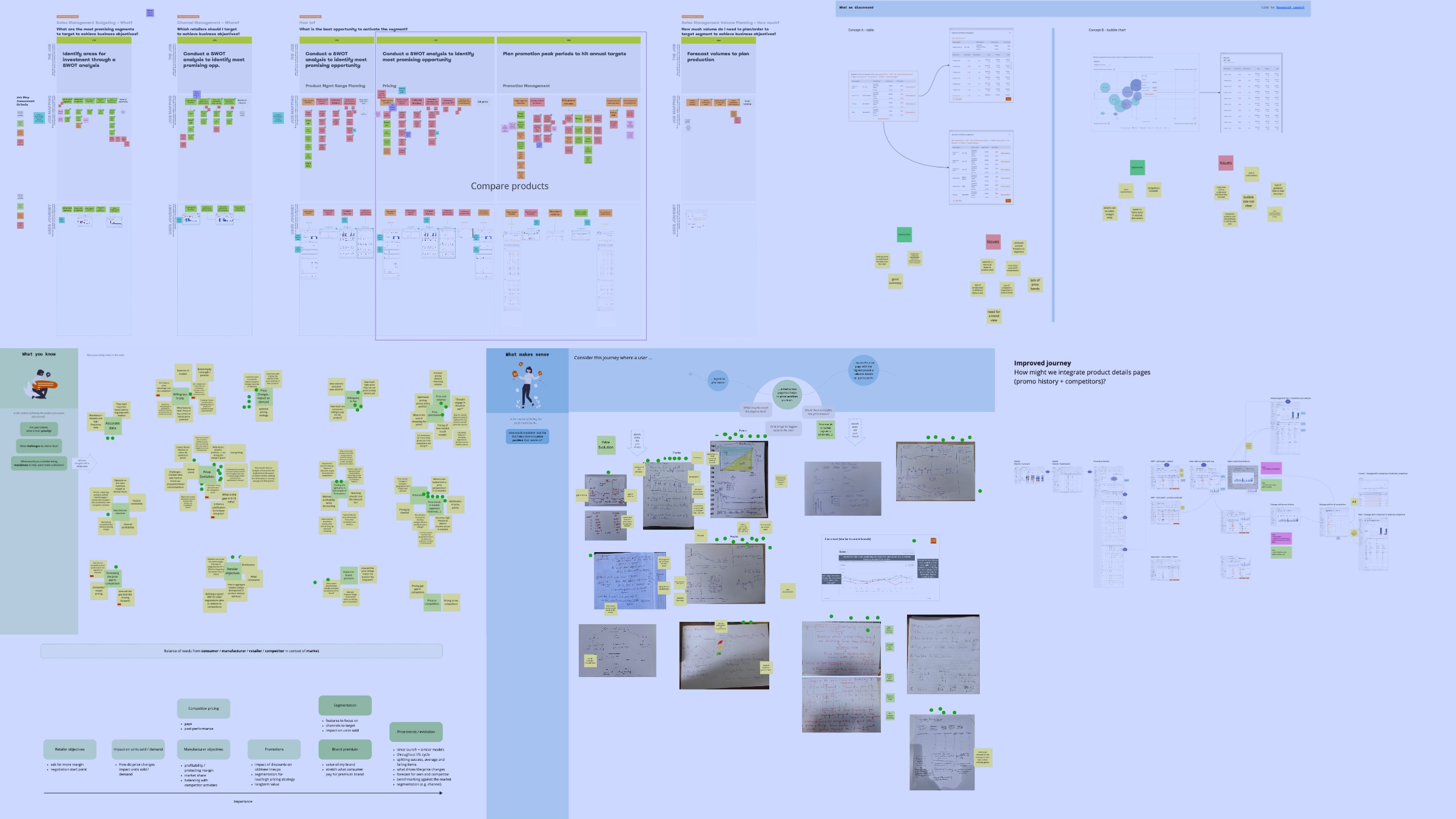
Discovery Workshop
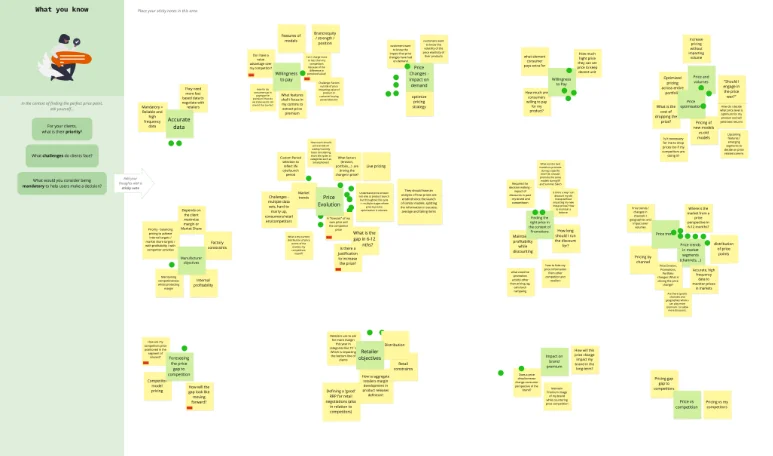
With the structural direction agreed, I facilitated an internal discovery workshop with the full cross-functional team: engineering, product management, data science and customer-facing colleagues who work directly with users every day.
Workshop structure:
- Shared goal and problem statement walkthrough
- Collaborative generation of user needs
- Ideation and prioritisation of solutions
- Facilitated discussion on tradeoffs and constraints
- Clear next steps with owner assignments
The workshop produced a defined short-term vision and a considered long-term direction, with all disciplines involved, aligned, and agreed.
Design and Validation
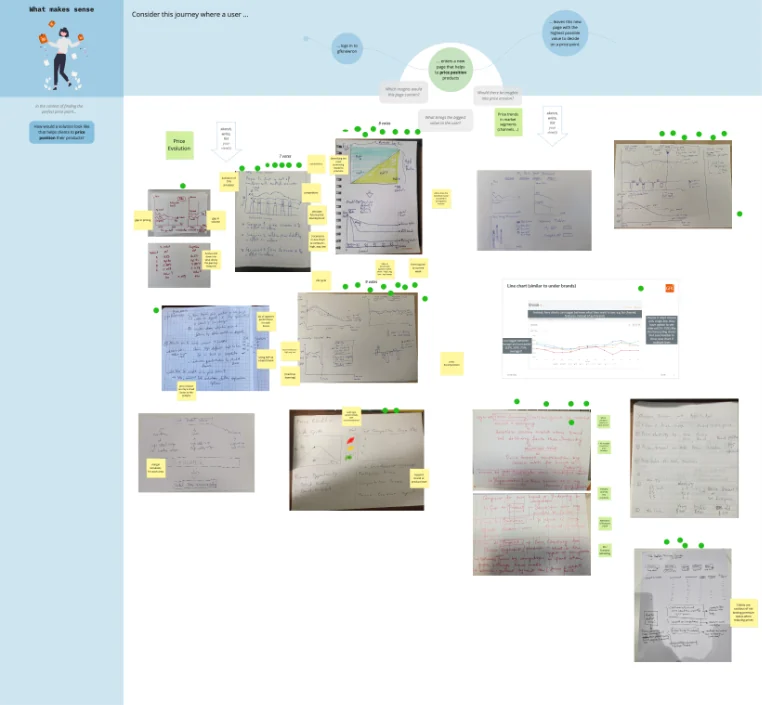
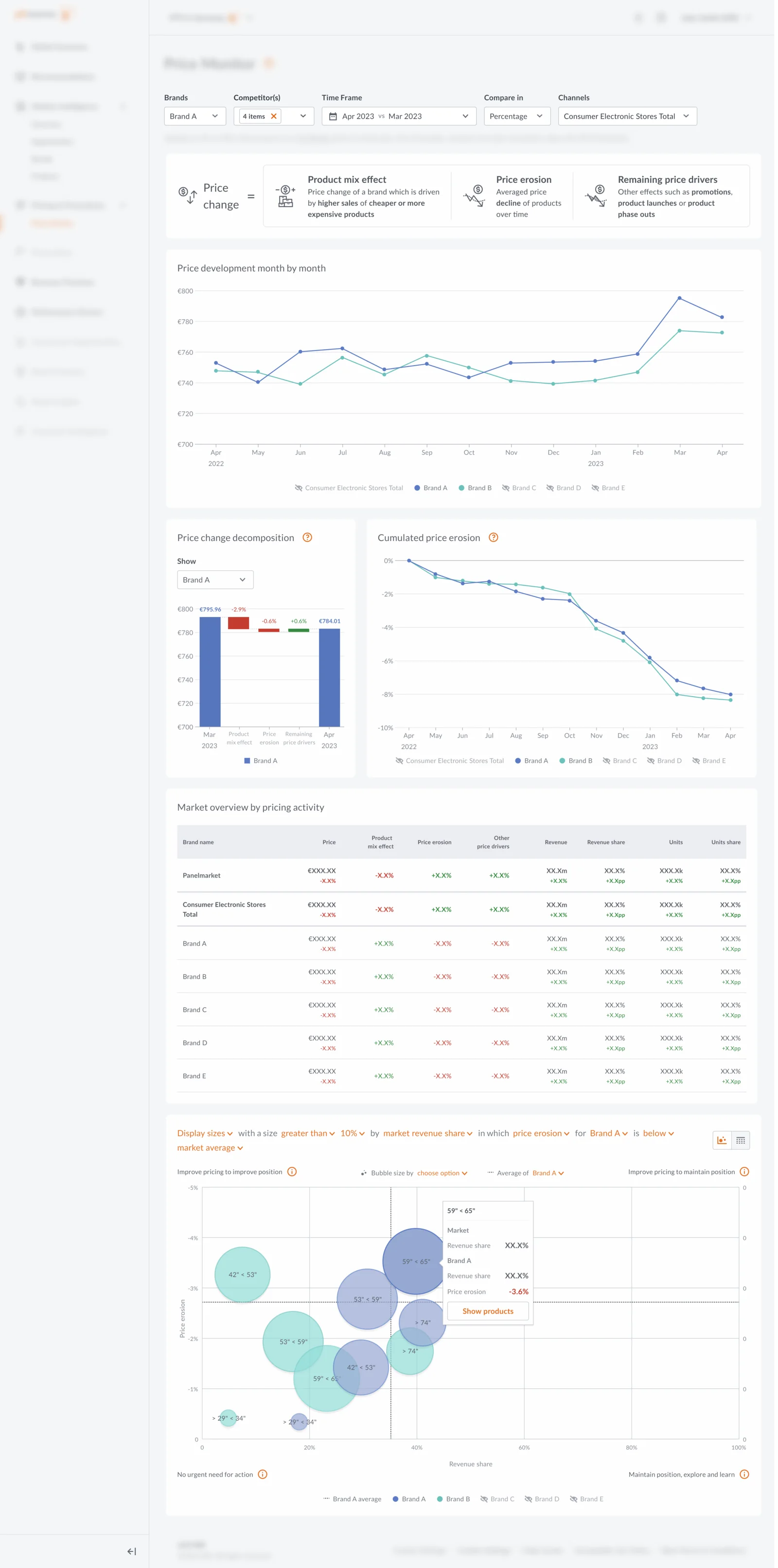
I created multiple solution options with documented tradeoffs, enabling the full team to evaluate and prioritise together. The work was sliced to match timing and available resources, enabling clean planning cycles and reducing technical debt.
Before launch, I ran user interviews to validate the concept. A key finding: users needed clear explanations for the newly introduced metric, since the terminology wasn’t self-evident without context. We incorporated that into the design before shipping.
Results
- Two delivery slices of the new page shipped
- User research validated the approach before launch
- 57% of viewers actively interact with the tool, strong engagement rather than passive visits
- Growth from ~35 to 76 unique users per month with a clear upward trend into early 2026
- New page incorporated the latest design system components and data visualisation patterns, modernising an area of the product that had been lagging
- The initiative inspired further ideation workshops across other parts of the product
Reflection
The fastest way to get cross-functional buy-in on a major structural decision is to stop advocating for the answer. Present multiple options with explicit tradeoffs, including the risks of the path you prefer. When everyone can see the tradeoffs and voice their concerns against a concrete framework, the decision becomes shared. That’s how you build alignment without winning an argument, and it’s the kind of leadership that scales across teams.
Skills